BLACKHOLE AMERICA
Make Sealed Enclosures Bass
Hit Like It Should
Treat the box like a controlled environment. Reduce internal reflections, tighten bass decay, and cut boominess using BH Stuff 2S in sealed subwoofer enclosures.
Sealed Box Acoustic Damping
- Reduces internal reflections that smear bass notes
- Tightens decay so notes stop cleaner
- Less boominess and “one-note” bass
Customers Hear This
- More control and definition at all volumes
- Consistent results build after build
- Simple step that separates your builds
What Stuff 2S Does in a Sealed Box
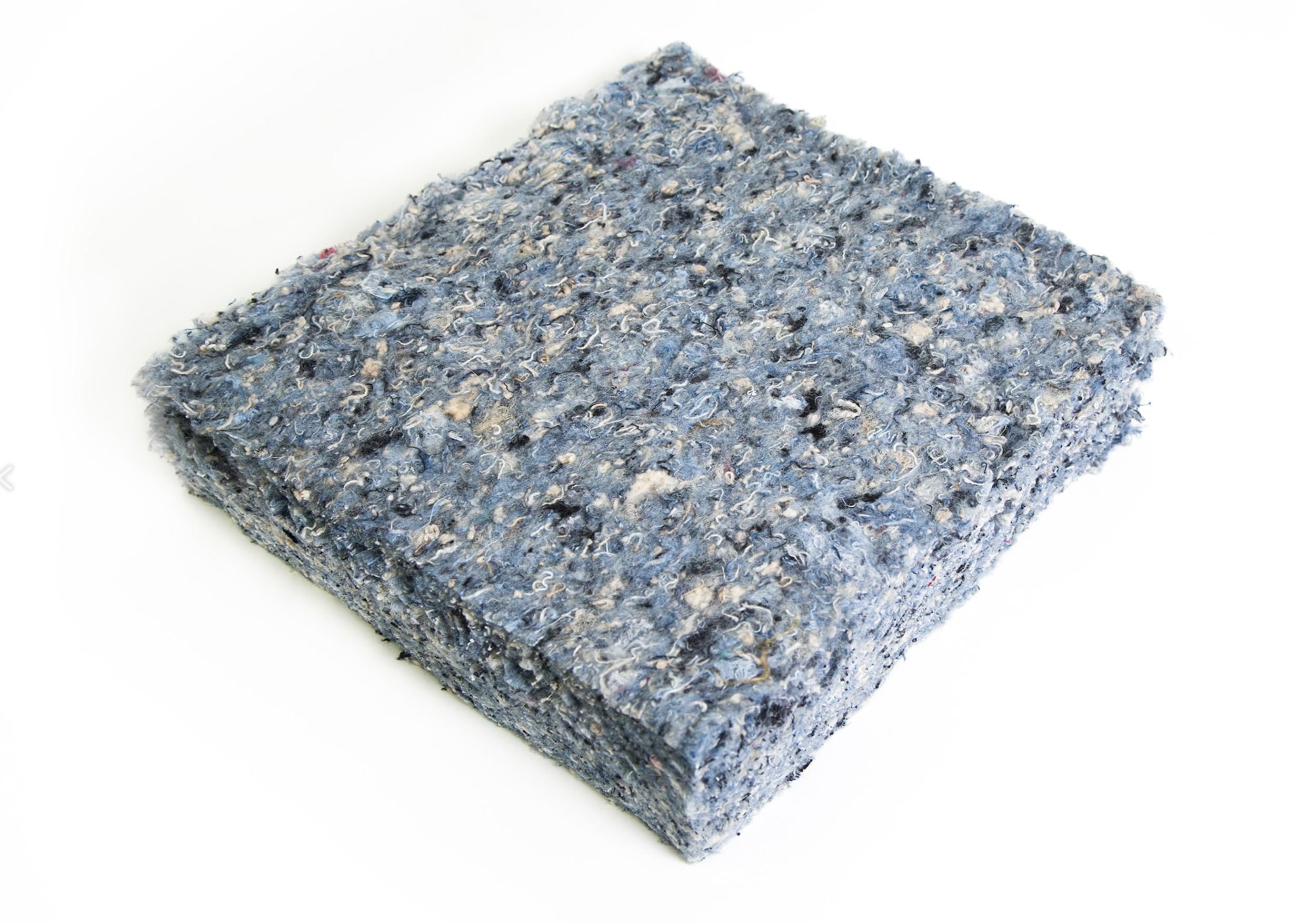
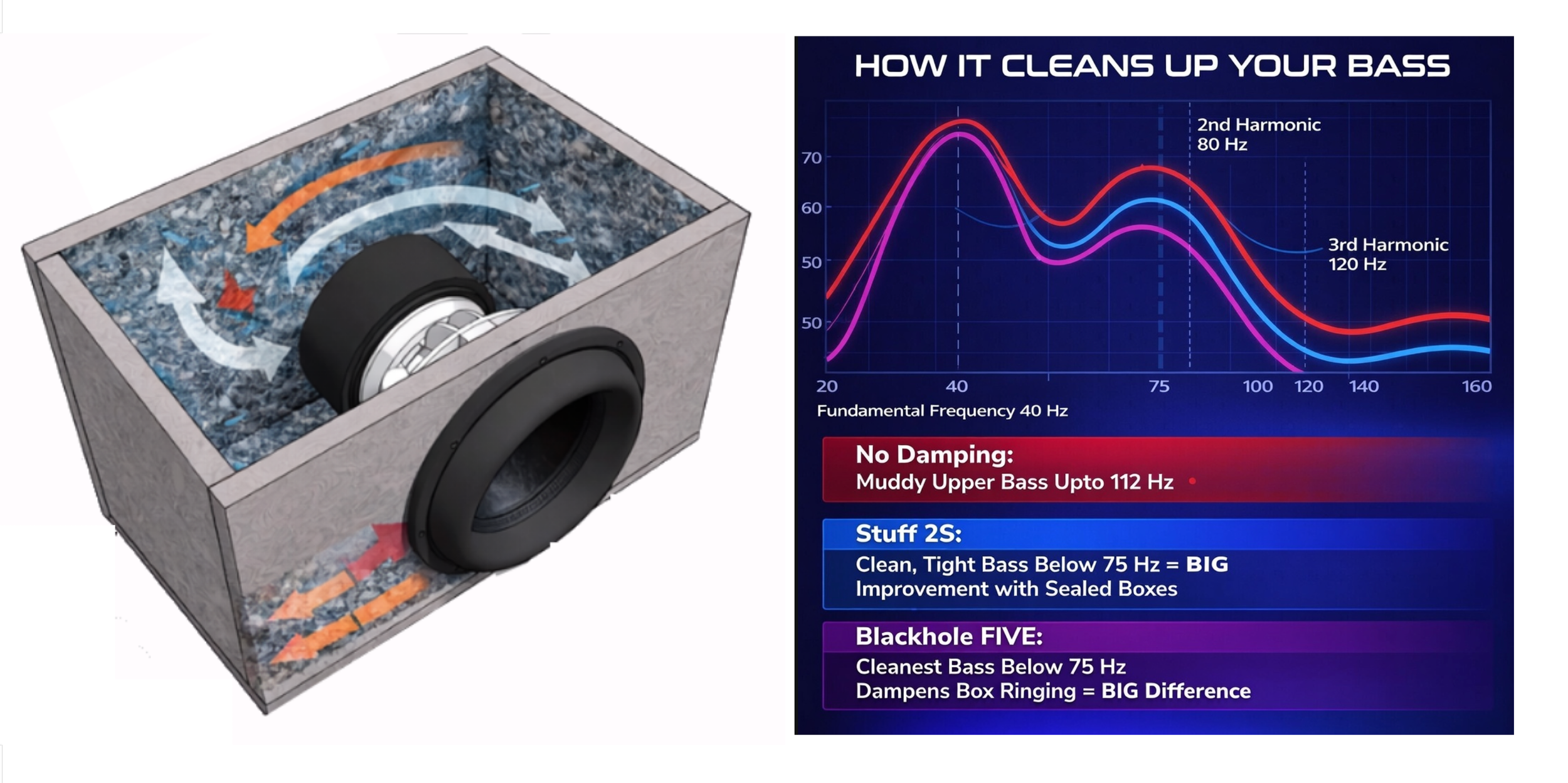
A sealed enclosure is a pressure chamber. When the woofer moves, sound energy reflects off the internal walls. Those reflections can interfere with the next bass note, making bass sound bloated or uneven. BH Stuff 2S helps absorb those internal reflections so the woofer plays the music more cleanly.
- Reduces internal reflections that cause “one-note” bass
- Smooths upper-bass character for cleaner impact
- Helps the system feel more controlled and refined
WHAT THE CUSTOMER ACTUALLY HEARS
- The bass sounds tighter
- Notes hit cleaner
- There is less boominess
- System sounds more expensive at both low and high volume
Performance vs Traditional Polyfill
- Up to 40% more effective than traditional polyfill stuffing
- Does not break down over time
- More consistent results build after build
How Much Stuff 2S to Use (Sealed Enclosures)
You want controlled airflow through the material, not compression. A loose, even distribution gives you the damping benefit without choking the enclosure.
Installer Setup (Repeatable)
- Confirm sealed enclosure. This guide is for sealed boxes.
- Keep it away from moving parts. Do not allow contact with cone, spider, or motor venting.
- Loosely distribute 50–70% fill. Avoid packing or clumping.
- Verify clearance. Nothing can shift into the motor or rear vent area.
- Listen and adjust. Add a little if it still sounds hollow. Remove a little if it sounds soft.
Dealer Pitch (Easy Add-On)
This is a simple upgrade customers can actually hear. It tightens bass, improves definition, and makes the system feel more finished. It also gives your shop a repeatable process that separates you from basic builds.
- Sealed Enclosure Acoustic Treatment (Stuff 2S)
- Bass Cleanup Package (Sealed Boxes)
- Premium Sealed Box Finish Step
FAQ
Does this replace building the correct box volume?
No. This refines what happens inside the enclosure. It does not fix a leaky box or a bad design.
Will it make the system louder?
It mainly makes bass cleaner and more controlled. Most people perceive that as better bass, not just more bass.
Can I use too much?
Yes. Stuffing 100% can create a too stiff woofer response. Stay in the 50% to 70% range for sealed boxes.